
Personal style is the way clothing choices reflect daily life, comfort needs, and personal taste. It develops through habits, preferences, and repeated outfit choices over time. Style grows from what feels natural rather than what trends suggest. Many people feel unsure at first since options feel endless. That feeling is common and passes with practice. Personal style connects clothing with routine, climate, and activities. It reflects mood, values, and comfort levels. Style does not need bold pieces to feel complete. Simple outfits can express personality clearly. Consistency builds confidence in getting dressed. Small choices shape a recognizable look. Colors, fits, and fabrics play a steady role. Style works best when it feels familiar. Confidence follows when clothes feel right. This process stays personal and flexible.
Defining Personal Style
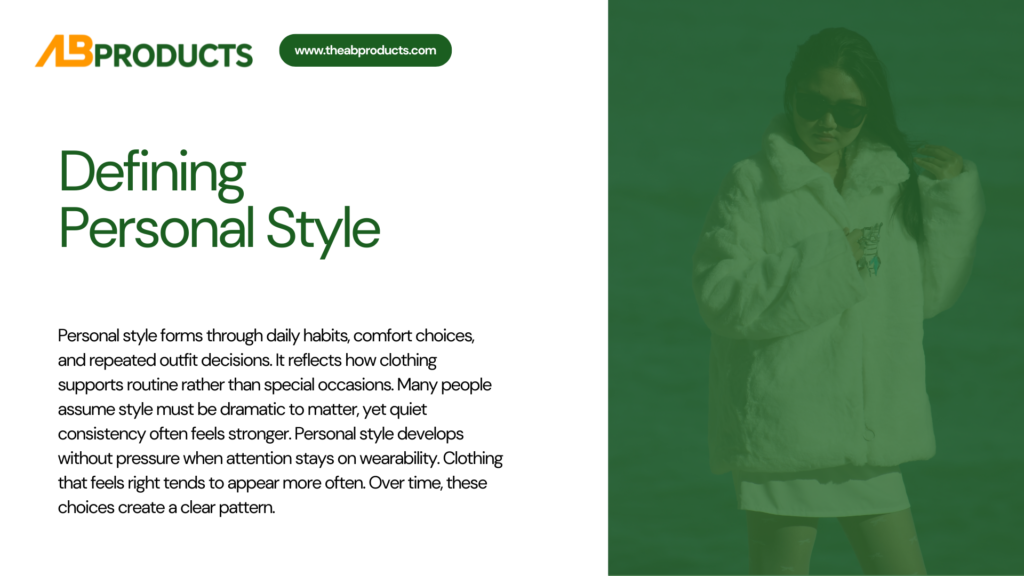
Personal style forms through daily habits, comfort choices, and repeated outfit decisions. It reflects how clothing supports routine rather than special occasions. Many people assume style must be dramatic to matter, yet quiet consistency often feels stronger. Personal style develops without pressure when attention stays on wearability. Clothing that feels right tends to appear more often. Over time, these choices create a clear pattern. This pattern helps reduce stress while dressing. It also builds confidence through familiarity. Style remains personal and flexible. No fixed rules control this process. Awareness is the first step toward clarity. Small observations bring useful insight.
What Personal Style
Personal style describes patterns in clothing choices that feel natural to wear. It shows up through repeated colors, shapes, and textures. These patterns often appear without planning. Daily routines influence style more than special events. Comfort preferences guide many outfit decisions. Climate and movement needs affect fabric choices. Some people favor structured clothing. Others lean toward relaxed fits. Style reflects lifestyle rather than fashion cycles. It forms through trial and habit. Over time, outfits start to feel predictable in a good way. This predictability reduces stress when dressing. Style grows stronger with consistency. Awareness helps identify these patterns. Recognition marks the start of style clarity.
Why Style Matters
Personal style simplifies daily decisions around clothing. Fewer doubts appear when outfits feel familiar. Confidence improves when clothes match personal comfort. Style supports self-expression without effort. Dressing becomes quicker with fewer choices. Clothing feels supportive rather than distracting. Style helps people feel prepared for daily tasks. It creates a sense of identity through appearance. Others may recognize this consistency over time. Style builds trust in personal taste. It reduces pressure from trends. Clothing becomes practical and enjoyable. Personal style supports mood throughout the day. Feeling comfortable affects posture and movement. These details shape everyday confidence.
Finding Your Style
Finding personal style works best through observation instead of fast decisions. Daily outfits offer more insight than one-time purchases. Repeated choices show true preferences. Comfort acts as a strong guide. Style discovery happens over weeks rather than days. Attention to habits reveals direction. There is no final point to reach. Style develops naturally with patience. Trends can distract from this process. Focus stays on what feels wearable. Confidence grows with familiarity. This approach removes pressure.
Style Discovery Steps
Finding personal style starts with observation. Pay attention to the outfits worn most often. Notice which clothes feel easiest to reach for. These pieces reveal strong preferences. Color repetition offers helpful clues. Fit choices show comfort priorities. Fabric choices reflect daily needs. Outfit photos help track patterns over time. Writing notes builds awareness. Closet reviews highlight unused items. This contrast clarifies dislikes. Style discovery works through small steps. No single outfit defines style. Repetition matters more than variety. Patience supports clearer results.
Style Inspiration Sources
Inspiration comes from daily surroundings. People notice outfits worn by others in real life. Media images offer visual ideas. Outfit photos help identify appealing details. Focus stays on shapes and colors rather than full looks. Lifestyle needs a guide which ideas fit best. Inspiration works as a reference rather than a set of rules. Saving images helps spot patterns. Over time, preferences become clearer. Inspiration narrows choices rather than expanding them. This approach avoids overload. Ideas should feel wearable. Comfort stays a priority. Style grows through selective influence. Personal taste filters inspiration naturally.
Knowing What Suits You
Knowing what suits you starts with paying attention to fit and movement. Clothing should support daily activity rather than restrict it. Comfort often signals good alignment. Mirrors help check balance, though wear time gives clearer feedback. Proportion matters more than size. Certain cuts feel better than others. These preferences repeat over time. Understanding these signals reduces guesswork. Clothing becomes easier to choose. Style feels more consistent. This awareness builds confidence.
Body Shape Basics
Body shape awareness helps guide clothing choices. It focuses on proportions rather than size. Understanding shape highlights balance points. Clothing can support natural lines. Fit matters more than labels. Certain cuts feel more comfortable than others. Movement reveals fit issues quickly. Mirrors help check balance. Comfort signals good choices. Restrictive clothing creates a distraction. Ease of movement supports confidence. Shape knowledge reduces trial time. It narrows options without limits. Style remains flexible within shape awareness. Clothing should feel supportive.
Clothing Fit Clues
Fit clues appear during wear. Tugging signals discomfort. Slipping suggests sizing issues. Bunching points to shape mismatch. Smooth lines feel better throughout the day. Sitting and walking tests fit quality. Stretch fabrics adapt to movement. Structured pieces need a precise fit. Alterations improve wearability. Length affects proportions. Sleeve and hem placement matter. Fit clarity builds over time. Repeated wear confirms good choices. Comfort remains the final guide. Fit supports personal style consistency.
Style Personality Types
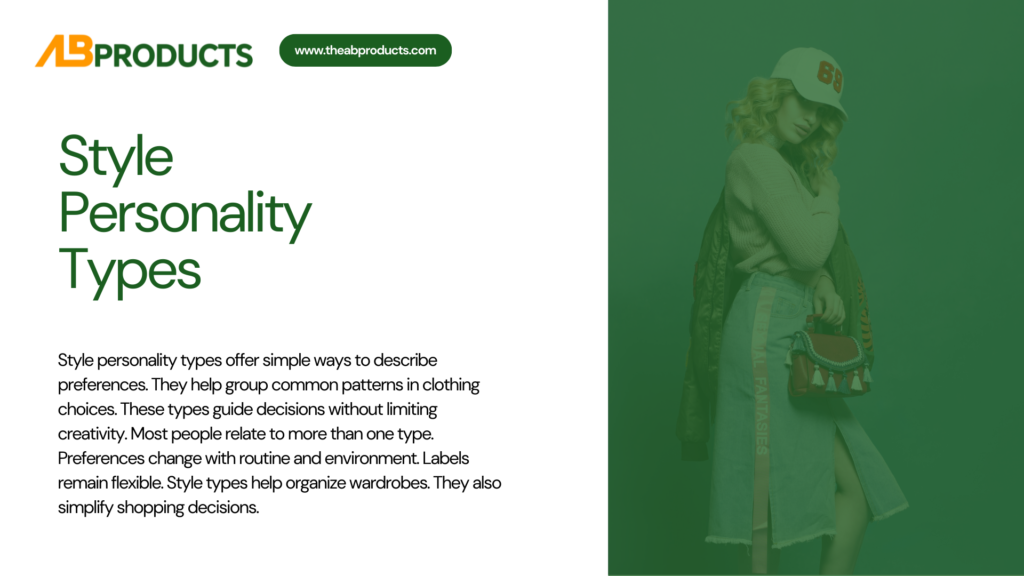
Style personality types offer simple ways to describe preferences. They help group common patterns in clothing choices. These types guide decisions without limiting creativity. Most people relate to more than one type. Preferences change with routine and environment. Labels remain flexible. Style types help organize wardrobes. They also simplify shopping decisions. Awareness brings clarity. Personal taste still leads.
Common Style Types
Style personality types describe general preferences. Some favor clean lines and simple colors. Others enjoy layered textures. Some prefer relaxed shapes. Others lean toward sharp structure. These types often overlap. Few people fit one category fully. Preferences shift with lifestyle changes. Style types offer helpful language. They simplify decision-making. Labels guide rather than limit. Mixing types feels natural. Personal taste leads to these choices. Awareness helps build outfits faster. Flexibility keeps style personal.
Matching Style Traits
Matching style traits involves observing habits. Daily outfit choices reveal dominant traits. Comfort level guides structure preferences. Color choices signal mood tendencies. Fabric selection reflects lifestyle needs. Accessories show attention level. Footwear choices affect overall tone. These traits repeat over time. Writing them down helps clarity. Outfit photos support comparison. Traits evolve gradually. Seasonal shifts affect expression. Matching traits creates cohesion. Clothing feels intentional with aligned traits. This process supports consistency.
Building Your Wardrobe
Building a wardrobe works best when guided by daily needs. Clothing should support routine activities and comfort levels. Repeated wear shows which items matter most. A smaller wardrobe often feels easier to manage. Pieces that work together save time. Consistency supports style clarity. Wardrobe building stays gradual. Thoughtful choices prevent clutter. Style feels intentional through use.
Wardrobe Core Pieces
Core pieces form the base of a wardrobe. They work across many outfits. Neutral colors support versatility. Reliable fits encourage frequent wear. These items suit daily routines. Fabric quality affects longevity. Core pieces reduce decision fatigue. They support layering. Consistent sizing simplifies shopping. These items feel familiar. They anchor the style of expression. Fewer pieces increase outfit clarity. Core items reflect personal needs. Replacement happens through wear. Stability supports personal style.
Style-Based Essentials
Essentials vary by style preference. Some need structured layers. Others prefer soft fabrics. Lifestyle determines quantity. Climate affects material choice. Movement needs shape selection. Essentials support daily tasks. These pieces repeat often. Comfort defines their value. Style alignment keeps usage high. Essentials prevent impulse buying. They simplify outfit building. Replacement stays intentional. Each piece serves a clear role. Style remains cohesive through essentials. Thoughtful selection saves time.
Creating Signature Looks
Signatures develop through repetition rather than planning. Familiar outfit combinations feel dependable. Small variations keep outfits interesting. These looks suit daily life and comfort needs. Over time, certain silhouettes repeat. Color choices strengthen recognition. Signature looks reduce decision fatigue. Dressing becomes quicker. Confidence grows through consistency.
Outfit Repeating Rules
Repeating outfits builds a signature style. Familiar combinations reduce effort. Small variations keep it looking fresh. Color consistency strengthens recognition. Similar silhouettes feel comfortable. Accessories offer a subtle change. Repetition builds confidence. Signature looks save time. They suit daily routines. Comfort remains steady. Outfit formulas support quick dressing. Photos help refine combinations. Adjustments happen gradually. Signature outfits feel dependable. This habit strengthens style identity.
Everyday Style Habits
Daily habits shape personal style. Consistent dressing times affect choices. Comfort checks guide selection. Outfit planning reduces stress. Closet order influences decisions. Regular editing removes unused items. Laundry habits affect rotation. Seasonal shifts prompt review. Simple routines support clarity. Style stays practical through habits. Dressing becomes intuitive. Habits reinforce preferences. These patterns shape identity. Style grows through repetition. Small habits matter.
Style Growth Over Time
Personal style changes as daily routines, comfort needs, and priorities shift. Clothing that once felt right may slowly feel less suitable. This change often happens without notice. Work schedules influence outfit structure. Movement needs affect fabric choices. Climate plays a role in layering and material selection. Color preferences can change with mood and lifestyle. Items worn often may lose appeal over time. New favorites usually appear gradually. Closet reviews help reveal these shifts. Style growth feels easier when flexibility is allowed. Small adjustments work better than full changes. Familiar pieces can still work with new pairings. Comfort remains the clearest guide. Style grows through awareness rather than effort.
Style Trial Process
Style grows through experimentation. Trying new cuts offers insight. Wearing items multiple times gives clarity. One change at a time works best. Feedback comes from comfort. Photos help with reflection. Notes track reactions. Dislikes provide direction. Favorites become staples. The trial feels low pressure. No outcome feels final. Gradual testing builds confidence. Style adapts naturally. Growth feels steady. Patience supports results.
Style Change Signals
Style changes reflect life shifts. Routine changes affect clothing needs. Climate moves influence fabrics. Comfort priorities evolve. Color preferences shift. Fit needs to adjust over time. These signals appear quietly. Closet reviews reveal changes. Unworn items suggest a mismatch. New favorites indicate direction. Acceptance eases transition. Style remains flexible. Adjustments feel natural. Growth supports authenticity. Personal style stays ongoing.